
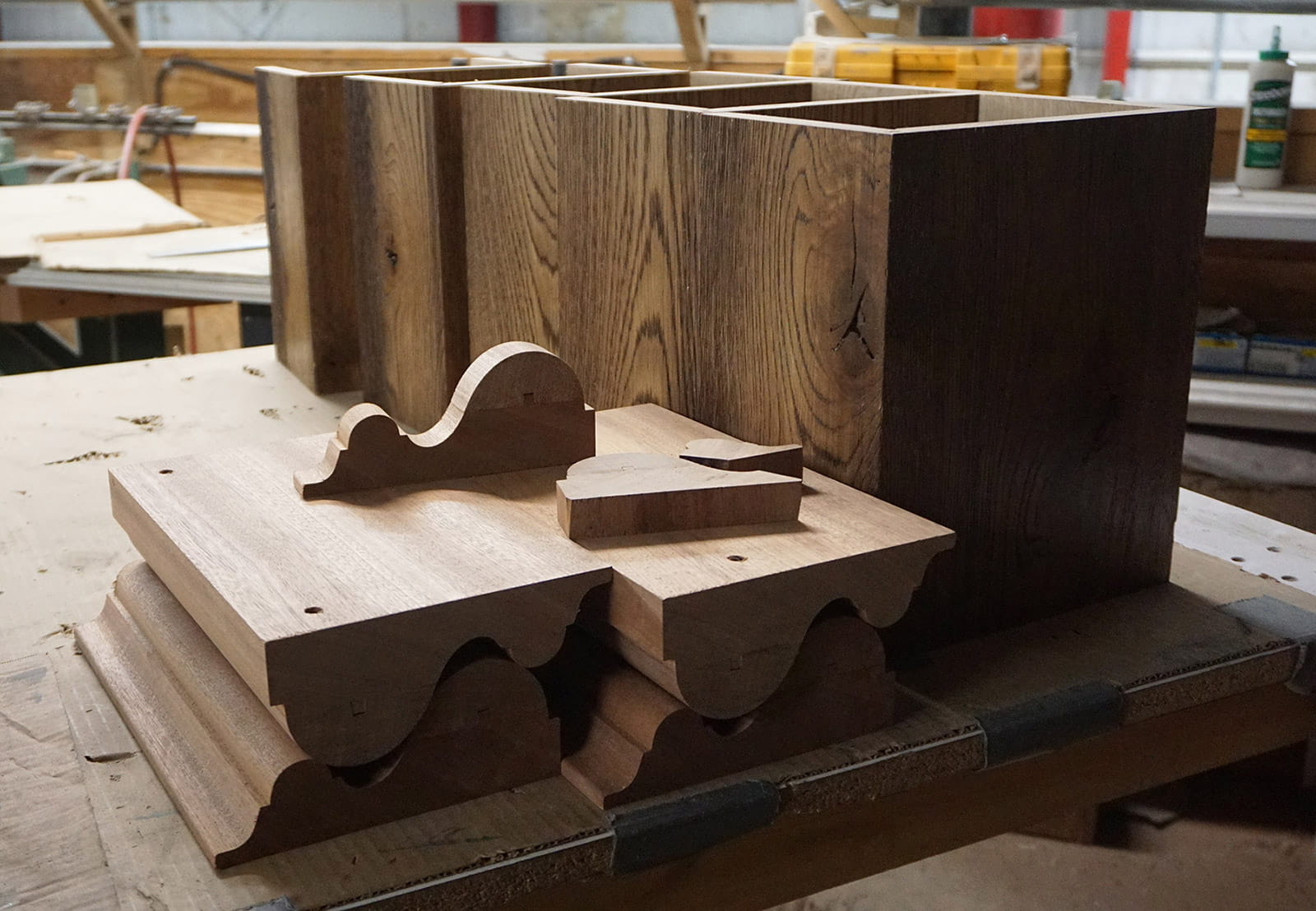
The highest-value architectural millwork shops have figured out that the margin does not live in the milling. It lives in the assembly, the finishing, and the installation. Every hour saved in those downstream operations goes directly to the bottom line. Boyce Highlands manufactures moulding and component parts the same way we would want them delivered to our own shop, cut, mitered, pre-finished, and packaged in installation sequence so your crews can set the product rather than process it. The Taylor Manufacturing precision cutter holds 1/64-inch tolerances on end cuts and miters. The factory furniture finish eliminates VOCs and finish variability on site. The result is a component package that collapses install time from hours to minutes while protecting the precision your architect specified.
The Pre-Assembled Parts Advantage
A standard moulding order arrives as long sticks with square ends. Your shop then has to measure, cut, miter, sand, finish, and pack the material before it reaches the jobsite. Every step introduces labor hours, tooling variability, and opportunities for rework. The partner shops that have switched to our pre-assembled component parts typically see install labor compression of 50 to 85 percent on the affected scope.
Component Part Operations We Perform In-House
- Precision cut-to-length to 1/64-inch accuracy
- Mitering with matched angles across opening sets
- Pre-assembly of multi-piece build-up subcomponents
- Factory furniture finish application before delivery
- Installation sequence packaging organized by opening or room
- Hidden joinery and spline engineering for field-ready sets
- Priming, buffing, and prefinished options in VOC-free formulations
Describe your install scope and we will recommend a component package that fits.
Case Studies in Pre-Cut Precision
Two partner projects illustrate what component parts can do when the engineering is right. A recent premium hospitality project required roughly 20,000 linear feet of trim, all pre-cut and pre-mitered to 1/64-inch tolerance. Our Taylor Manufacturing precision cutter ran the package, packaged it in installation sequence, and shipped it in wave loads matched to the site schedule. The install crews set the trim directly from the cartons without touching a miter saw. The job closed on time with no reject material and no callbacks on the trim scope.
A Hollywood multi-family residential project took the approach further. A seven-piece built-up door casing was engineered into pre-assembled subcomponents with hidden splines, reducing field install time from 35 minutes per opening to five. The job involved 2,000 units. The labor savings on the install compared to the original seven-piece specification covered the component parts premium several times over.
Why the Precision Matters Downstream
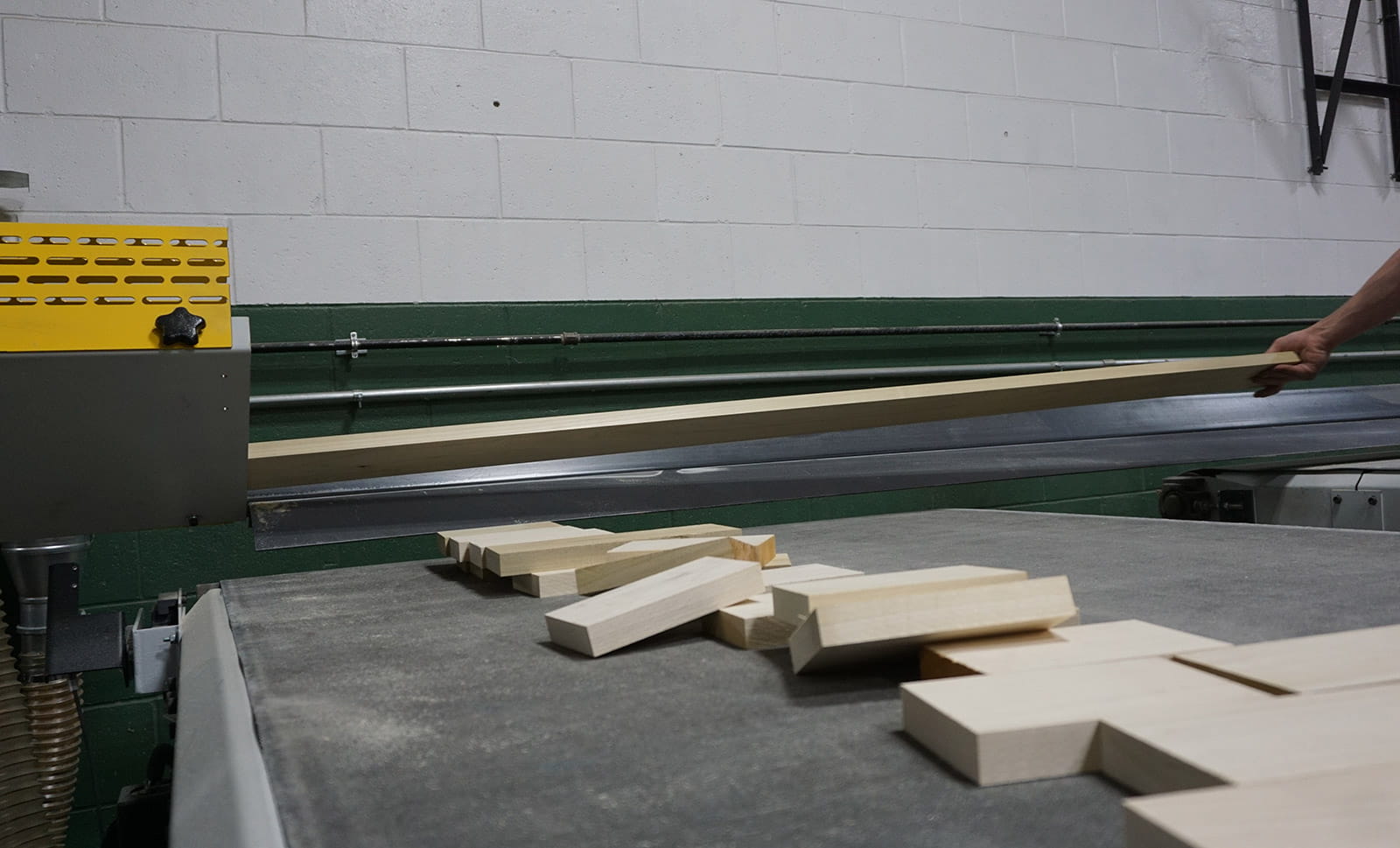
Most shops can cut moulding to length. Almost none can hold 1/64-inch tolerances consistently across 20,000 feet. The difference shows up at the drywall interface, the ceiling engagement, and the miter registration on every opening. A miter that is a sixteenth of an inch off reads as imperfect to the naked eye. The same miter held to 1/64 of an inch reads as invisible. That precision propagates from the knife grinding operation through the moulder, the Taylor cutter, and finally the packaging.
The aerospace-level tolerances of 5 to 7 thousandths of an inch that we hold on profile work translate directly into component parts. When the components arrive on site, the installers do not have to shim, trim, or rework the material. They set the parts, fire the nailers, and move to the next opening. The fiber that would otherwise hit the dumpster stays in the carton, which also protects the economics of premium grades three steps above FAS.
Component Parts Order Benefits
- Install labor reduced by 50 to 85 percent on affected scope
- 1/64-inch miter and end-cut precision eliminates field rework
- Factory furniture finish removes VOC exposure from the jobsite
- Sequenced packaging reduces crew time hunting for matching pieces
- Premium lumber selection matched across the component set
- Compressed ninja speed delivery on full component packages in three to five weeks
Who Uses Component Parts and Why
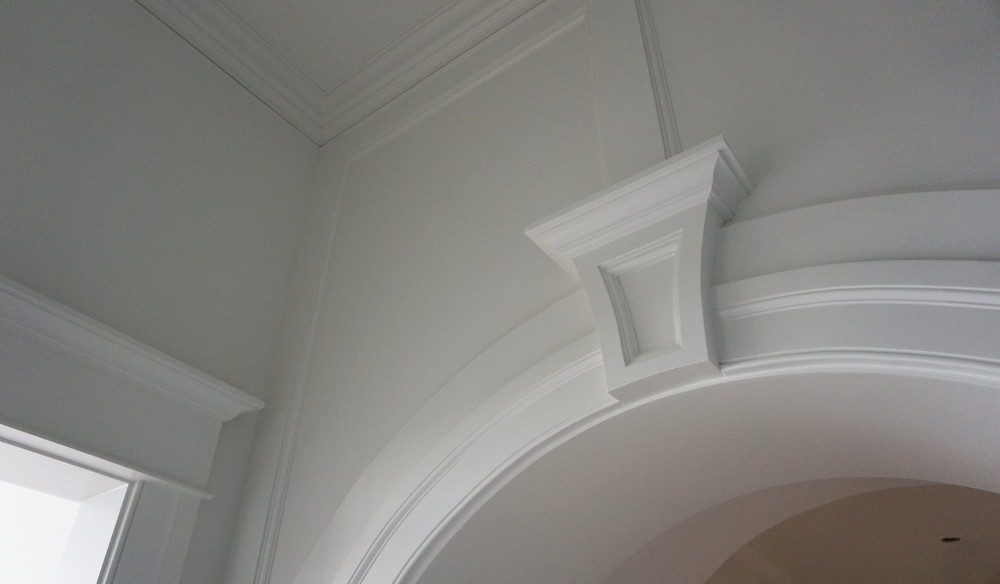
Architectural millwork shops serving institutional, corporate, and multi-family residential projects see the clearest return on component parts. Project managers running compressed install schedules use the labor compression to protect their close-out dates. General contractors on upper 1% projects use the precision to eliminate punch list items at commissioning. The value proposition scales in different directions for different audiences, but the underlying math stays consistent. Pre-processed parts cost more per linear foot than raw moulding. They cost less per installed foot by a wide margin.
The Finish Integration Advantage
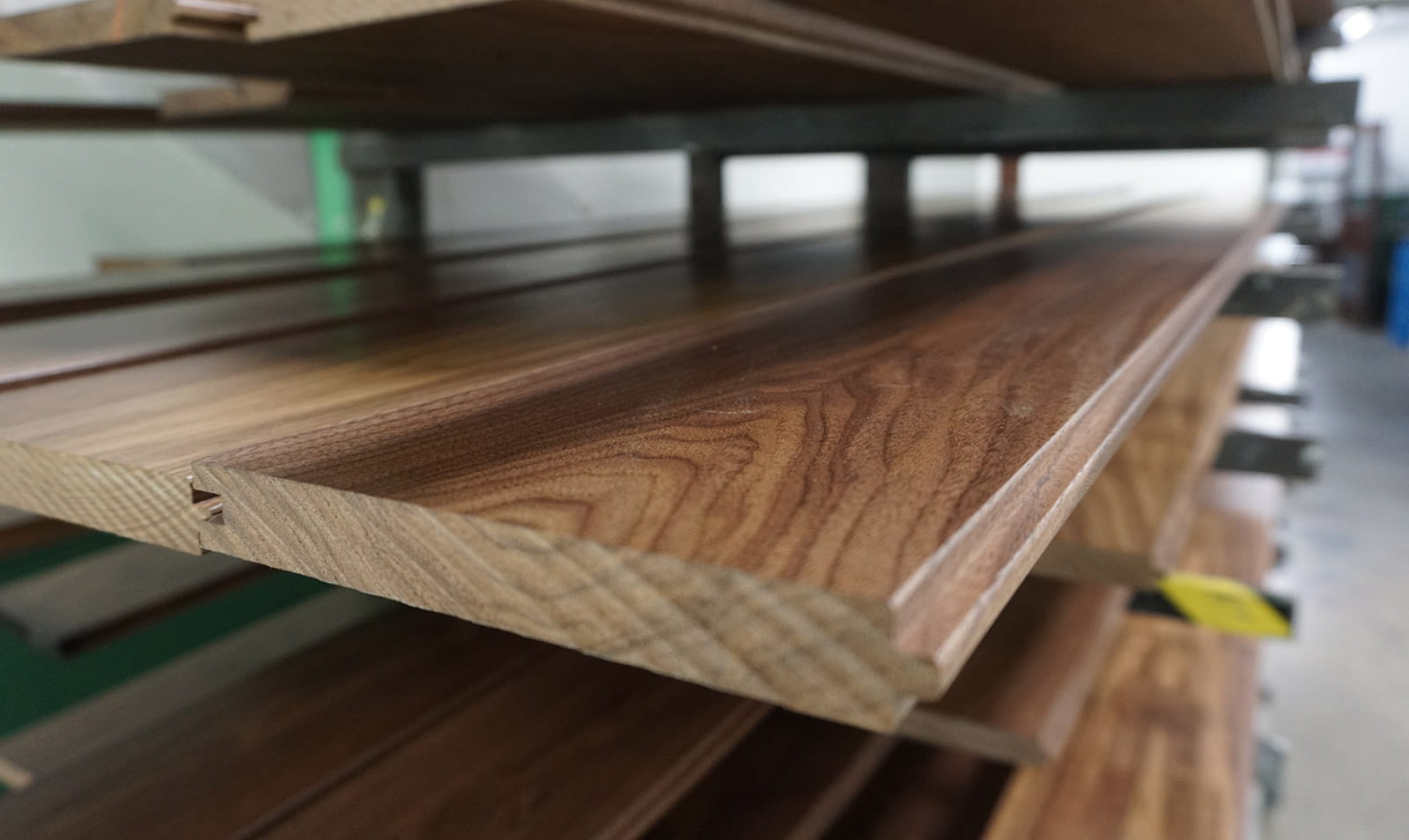
Component parts and factory furniture finish are engineered together. Our finishing operation applies pre-finish to components that have already been cut, mitered, and pre-assembled where appropriate, which means the finish lands on all four edges rather than only the face. The factory environment controls temperature, humidity, and dust better than any jobsite. The VOC-free pre-finish eliminates exposure on the site while also eliminating the solvent smell that disrupts commercial tenants and institutional occupants. When the components arrive on site, the finish is already complete. The install becomes a clean mechanical operation rather than a trade sequencing problem.
The Boyce Highlands Standard
Moulding and component parts are not a premium product line for us. They are the default way we would want our own material delivered to our own plant. Every piece that leaves the shop has been cut, mitered, sequenced, and finished to the standard an upper 1% project architect would apply at commissioning. That is how we find a way to yes on compressed timelines, protect your install economics, and stay consistent with our reputation as the ninjas of the architectural millwork industry.